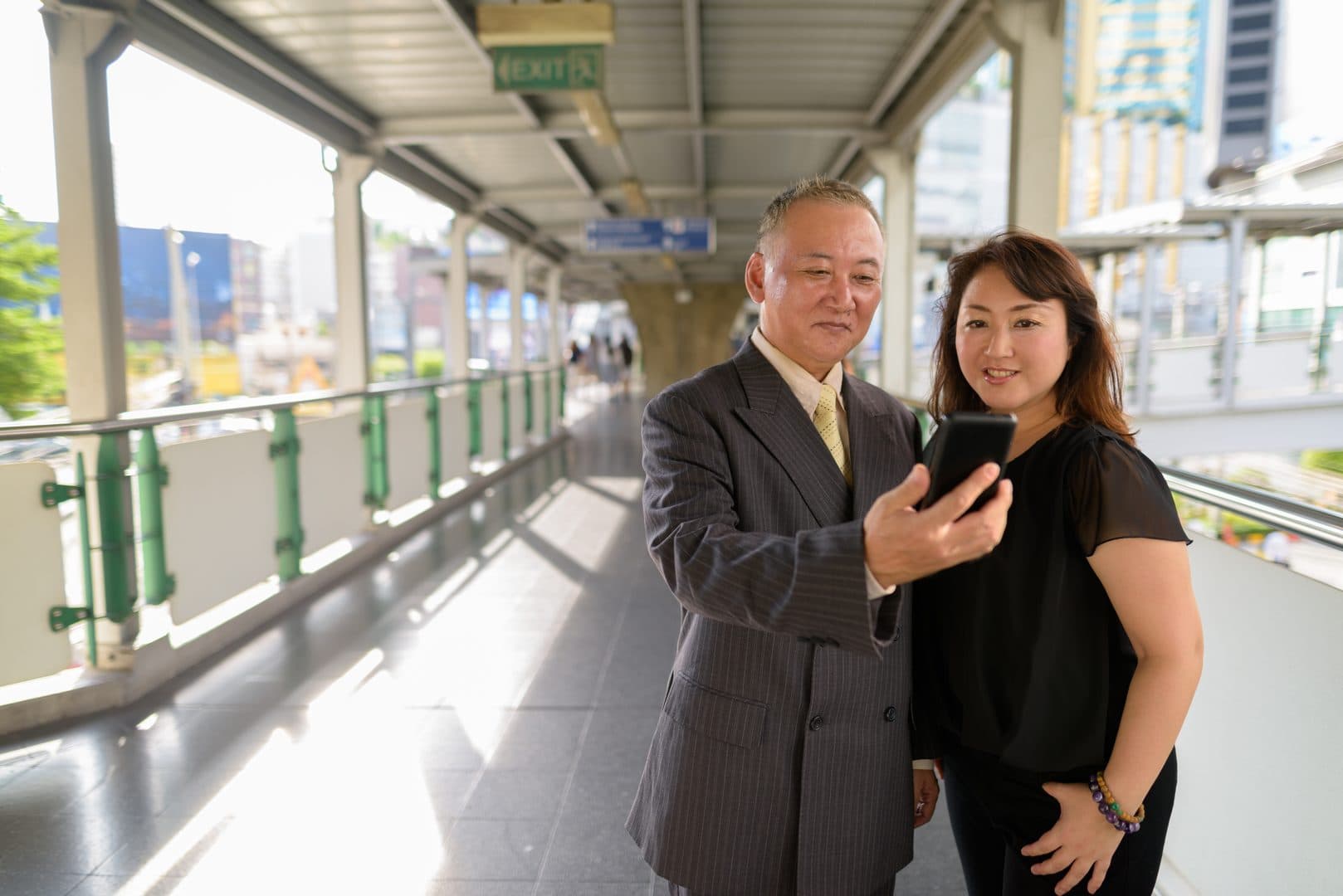
Photo by rantaimages
The Australia to China remittance corridor processes over AUD 2.8 billion annually, making it one of Australia's largest outbound remittance markets. With approximately 1.4 million Chinese-born residents in Australia and thousands of Chinese students, this corridor serves diverse customer segments from international students paying tuition to migrants supporting families back home.
Navigating this corridor presents unique challenges. China's strict capital controls, the USD 50,000 annual limit for individuals, and complex regulatory requirements on both sides create significant operational hurdles for remittance providers. Understanding these complexities is essential for any MTO looking to serve this lucrative but demanding market.
Key Takeaways
- The Australia-China corridor moves AUD 2.8+ billion annually, driven by 1.4 million Chinese migrants and 150,000+ students
- Chinese capital controls impose a USD 50,000 per person annual limit on inbound transfers
- Average transaction sizes range from AUD 5,000-15,000, significantly higher than other corridors
- Digital channels dominate with 85%+ market share; cash-based remittance is virtually non-existent
- Major players include banks (CBA, ANZ), specialists (OFX, Western Union), and Chinese fintech platforms
Market Overview: Size, Demographics and Transaction Patterns
The Australia to China remittance corridor stands out for its sheer volume and unique characteristics. According to the World Bank's Bilateral Remittance Matrix, Australia sent approximately USD 1.9 billion (AUD 2.8 billion) to China in 2023, making it the second-largest destination for Australian outbound remittances after India.
Customer Demographics
The Chinese diaspora in Australia comprises distinct segments with different remittance needs:
Permanent Residents and Citizens (900,000+)
- Average transaction size: AUD 8,000-20,000
- Frequency: 2-4 times annually
- Primary purposes: Family support, property investments, business transfers
International Students (150,000+)
- Average transaction size: AUD 2,000-5,000
- Frequency: Monthly or bi-monthly
- Primary purposes: Living expenses from parents, tuition fee payments
Temporary Workers (200,000+)
- Average transaction size: AUD 3,000-8,000
- Frequency: Quarterly
- Primary purposes: Savings transfers, family support
Transaction Patterns and Volumes
The corridor exhibits distinct seasonal patterns:
| Period | Transaction Volume | Key Drivers |
|---|---|---|
| January-February | +40% spike | Chinese New Year remittances |
| July-August | +25% increase | Tuition payment season |
| October | +20% increase | Golden Week holiday period |
| March-June | Baseline | Regular family support |
Average transaction sizes in this corridor significantly exceed other remittance destinations. While transfers to India or Philippines typically range from AUD 300-1,000, China-bound transfers average AUD 5,000-15,000, reflecting different use cases and customer profiles.
Regulatory Landscape: Navigating Dual Compliance Requirements
Operating in the Australia-China corridor means complying with two of the world's most stringent regulatory regimes. Both countries have implemented comprehensive AML/CTF frameworks that create multiple compliance touchpoints.
Australian Requirements (AUSTRAC)
As a remittance provider sending funds to China, you must:
1. Enhanced Customer Due Diligence (ECDD) China is not designated as a high-risk jurisdiction by AUSTRAC, but the corridor's characteristics often trigger enhanced due diligence:
- Transaction sizes exceeding AUD 10,000 require additional scrutiny
- Frequent high-value transfers may indicate trade-based money laundering
- Student remittances exceeding typical amounts need verification
2. International Funds Transfer Instructions (IFTIs) Every transfer to China requires an IFTI report within 10 business days, including:
- Complete sender and recipient information
- Purpose of remittance (specific codes apply)
- Intermediary bank details
- Exact transfer amount and currency
3. Suspicious Matter Reports (SMRs) Common red flags in this corridor include:
- Transfers just below the USD 50,000 annual limit from multiple accounts
- Unusual routing through third countries
- Mismatched sender/beneficiary relationships
Chinese Requirements (SAFE and PBOC)
The State Administration of Foreign Exchange (SAFE) and People's Bank of China (PBOC) impose strict controls:
Individual Annual Quota: USD 50,000
- Applies to Chinese citizens receiving foreign currency
- Resets each calendar year (January 1)
- Includes all inbound international transfers
- Documentation required for amounts exceeding USD 10,000 per transaction
Documentation Requirements
| Transfer Purpose | Required Documents |
|---|---|
| Family support | Relationship proof, sender ID |
| Education expenses | Enrollment certificate, fee invoice |
| Medical expenses | Hospital invoices, medical certificates |
| Property purchase | Sales contract, tax receipts |
Prohibited Uses
- Securities investment
- Property speculation
- Capital account transactions disguised as current account
- Cryptocurrency purchases
Major Players: Who Dominates the Corridor
The Australia-China remittance market features intense competition among traditional banks, specialist providers, and emerging fintech platforms.
Traditional Banks
Commonwealth Bank (CBA)
- Market share: Approximately 20%
- Average fee: AUD 22 per transfer
- Exchange rate margin: 2.5-3.5%
- Processing time: 2-3 business days
- Strengths: Extensive branch network, trusted brand
- Weaknesses: High fees, poor exchange rates
ANZ Bank
- Market share: Approximately 15%
- Average fee: AUD 24 per transfer
- Exchange rate margin: 2.8-3.8%
- Processing time: 2-4 business days
- Partnership with China Construction Bank enhances reach
Specialist Money Transfer Operators
OFX (formerly OzForex)
- Market share: Approximately 12%
- Average fee: AUD 0-15 (volume-based)
- Exchange rate margin: 0.5-1.5%
- Processing time: 1-2 business days
- Minimum transfer: AUD 250
- 24/7 dealer support for large transfers
Western Union
- Market share: Approximately 8%
- Average fee: AUD 10-30 (amount-based)
- Exchange rate margin: 2-3%
- Processing time: Minutes to 2 days
- Extensive agent network in China through China Post
Digital-First Providers
Wise (formerly TransferWise)
- Market share: Growing rapidly, estimated 5-7%
- Average fee: 0.5-0.7% of transfer amount
- Exchange rate: Mid-market rate
- Processing time: 1-2 business days
- Transparent pricing model appeals to younger demographics
Remitly
- Focused on smaller transfers
- Express option available
- Mobile-first experience
- Limited to AUD 30,000 per transfer
Chinese Fintech Platforms
Alipay International Remittance
- Direct integration with Alipay wallets
- Competitive rates for small transfers
- Instant notifications to recipients
- Maximum AUD 10,000 per transaction
WeChat Pay Cross-Border
- Growing presence through partnerships
- Seamless integration with WeChat ecosystem
- Limited availability through Australian partners

Photo by jcomp
Pricing Analysis: Costs, Margins and Competitiveness
Pricing in the Australia-China corridor reflects the complexity and compliance costs of operating in this market. Here's a detailed breakdown of costs for sending AUD 10,000 to China:
| Provider | Transfer Fee | Exchange Rate | Amount Received | Total Cost | Speed |
|---|---|---|---|---|---|
| CBA | AUD 22 | 4.41 | CNY 43,878 | AUD 376 | 2-3 days |
| ANZ | AUD 24 | 4.39 | CNY 43,666 | AUD 398 | 2-4 days |
| OFX | AUD 0 | 4.52 | CNY 45,200 | AUD 110 | 1-2 days |
| Wise | AUD 52 | 4.58 | CNY 45,328 | AUD 52 | 1-2 days |
| Western Union | AUD 25 | 4.45 | CNY 44,225 | AUD 287 | Same day |
Rates as of January 2025. Mid-market rate: 4.58
Cost Components for Providers
Operating in this corridor involves significant costs:
Compliance and Regulatory
- AUSTRAC reporting systems: AUD 5,000-15,000 annual
- Enhanced KYC for Chinese customers: AUD 15-25 per customer
- Transaction monitoring for SAFE compliance: AUD 3-5 per transaction
- Legal and compliance consulting: AUD 20,000-50,000 annual
Banking and Settlement
- Correspondent banking fees: 0.15-0.25% per transaction
- SWIFT charges: AUD 25-35 per transfer
- Currency hedging costs: 0.1-0.3% of volume
- Nostro/vostro account maintenance: AUD 2,000-5,000 monthly
Operational Costs
- Mandarin-speaking customer service: AUD 60,000-80,000 per staff
- Marketing to Chinese community: 15-20% of revenue
- Technology and API maintenance: AUD 50,000-100,000 annual
Technical Requirements: APIs, Integration and Infrastructure
Successfully operating in the Australia-China corridor requires robust technical infrastructure to handle complex compliance requirements and provide seamless customer experience.
Essential Technical Components
1. Multi-Language Support
- Simplified and Traditional Chinese interfaces
- Chinese document OCR for ID verification
- Pinyin name matching algorithms
- SMS delivery to Chinese mobile numbers
2. Payment Network Integration
| Network | Purpose | Technical Requirements |
|---|---|---|
| SWIFT | International wire transfers | ISO 20022 compliance, dedicated BIC |
| China National Advanced Payment System (CNAPS) | Local CNY clearing | CNAPS code, Chinese bank partnership |
| UnionPay Network | Card funding options | PCI DSS Level 1, UnionPay certification |
| Alipay/WeChat APIs | Digital wallet integration | ICP license consideration, API authentication |
3. Compliance Technology Stack
Real-time Sanctions Screening
- Integration with Chinese sanctions lists (MEE, MOFCOM)
- AUSTRAC consolidated list checking
- Fuzzy matching for Chinese names (considering pinyin variations)
- False positive rate management (typically 30-40% for Chinese names)
SAFE Quota Tracking System
- Real-time balance checking against USD 50,000 annual limit
- Multi-account aggregation detection
- Automated document collection for quota exceptions
- API integration with Chinese banks for quota verification
4. Identity Verification Solutions
Document Verification Requirements:
- Chinese National ID card recognition
- Chinese passport MRZ reading
- Australian driver licence integration
- Facial biometric matching (considering ethnic variations)
Recommended Providers:
- Jumio: Strong Asian document coverage
- Onfido: Machine learning optimised for Chinese IDs
- IDology: Real-time Chinese database checks
- GBG: Comprehensive APAC coverage
API Architecture Best Practices
Your technical architecture should support:
Core Requirements:
- 99.9% uptime SLA (China's banking hours overlap minimally with Australia)
- Sub-3 second response times for quote generation
- Automatic failover between payment rails
- Real-time forex rate updates (CNY volatility management)
- Webhook notifications for status updates
- Idempotency keys for duplicate prevention
Security Considerations:
- End-to-end encryption for sensitive data
- HSM storage for payment credentials
- Regular penetration testing (quarterly minimum)
- SOC 2 Type II compliance
- Data residency compliance (some data must remain in Australia)
Risk Management: Fraud Prevention and Compliance Monitoring
The Australia-China corridor presents unique risk challenges requiring sophisticated monitoring and prevention strategies.
Common Fraud Typologies
1. Invoice Manipulation Fraud
- Frequency: 15-20% of fraud cases
- Method: Inflated invoices for trade transactions
- Red flags: Round amounts, new trading relationships, unusual goods
- Prevention: Invoice verification, trade pattern analysis
2. Student Visa Fraud
- Frequency: 10-15% of fraud cases
- Method: Non-students using education payment category
- Red flags: Age mismatches, multiple "students" at same address
- Prevention: CoE verification, enrollment confirmation
3. Smurfing/Structuring
- Frequency: 25-30% of fraud cases
- Method: Breaking large transfers to avoid USD 50,000 limit
- Red flags: Multiple transfers just below limits, related parties
- Prevention: Network analysis, beneficiary clustering
4. Trade-Based Money Laundering
- Frequency: 20-25% of fraud cases
- Method: Over/under invoicing for goods
- Red flags: Unusual trade routes, price anomalies
- Prevention: Market price validation, trade finance expertise
Risk Scoring Framework
Implement a comprehensive risk scoring system:
| Risk Factor | Weight | High Risk Indicators |
|---|---|---|
| Transaction Amount | 25% | >AUD 30,000 or patterns near USD 50,000 |
| Customer History | 20% | New customer, dormant account reactivation |
| Beneficiary Profile | 20% | Multiple beneficiaries, corporate accounts |
| Transaction Frequency | 15% | Sudden increase, unusual patterns |
| Documentation Quality | 10% | Inconsistencies, suspected forgeries |
| Geographic Risk | 10% | High-risk provinces, border regions |
Compliance Monitoring Systems
Transaction Monitoring Rules:
- Cumulative transfers approaching USD 50,000 limit
- Multiple transfers to different beneficiaries on same day
- Transfers immediately after large deposits
- Round amounts suggesting commercial activity
- Unusual transaction narratives or purposes
Enhanced Due Diligence Triggers:
- Politically exposed persons (PEPs) - check Chinese government databases
- State-owned enterprise employees
- Transactions exceeding AUD 50,000
- Complex ownership structures
- Gambling or cryptocurrency-related purposes
Customer Acquisition: Reaching the Chinese-Australian Market
Successfully acquiring Chinese customers in Australia requires culturally sensitive marketing and community engagement strategies.
Digital Marketing Channels
WeChat Marketing
- 450,000+ active Australian users
- Official account setup and verification
- Mini-program development for transactions
- KOL (Key Opinion Leader) partnerships
- Cost per acquisition: AUD 25-40
Chinese Social Media Presence
- Xiaohongshu (Little Red Book): Lifestyle-focused content
- Douyin: Short-form video content
- Weibo: News and updates
- Chinese-language Facebook groups
Search Engine Strategy
- Baidu SEO for Chinese-language searches
- Google Ads in Simplified/Traditional Chinese
- Target keywords: "澳洲汇款" (Australia remittance), "澳币换人民币" (AUD to CNY)
Community Engagement
Educational Institution Partnerships
- Partner with Group of Eight universities
- Student orientation presentations
- Campus representative programs
- Tuition payment partnerships
Business Association Relationships
- Australia China Business Council (ACBC)
- Chinese Chamber of Commerce chapters
- State-based Chinese business associations
- Industry-specific Chinese networks
Physical Presence Strategy
| Location Type | Key Areas | Investment Required |
|---|---|---|
| Chinatowns | Sydney, Melbourne CBD | AUD 5,000-8,000/month rent |
| University Precincts | UNSW, UniMelb, UQ | AUD 3,000-5,000/month |
| Suburban Hubs | Box Hill, Hurstville, Sunnybank | AUD 2,000-4,000/month |
| Pop-up Locations | Shopping centres, events | AUD 500-1,000/day |
Customer Onboarding Optimisation
Language and Documentation
- Provide forms in Simplified and Traditional Chinese
- Accept Chinese documentation with certified translations
- Offer video KYC in Mandarin/Cantonese
- SMS verification to Chinese mobile numbers
Onboarding Conversion Metrics
- Average time to complete: 12-15 minutes
- Drop-off rate at ID verification: 25-30%
- Document re-submission rate: 40% (mainly translation issues)
- First transfer completion rate: 65-70%

Photo by user17636940
Future Outlook: Digital Yuan, Regulatory Changes and Market Evolution
The Australia-China remittance corridor faces significant changes that will reshape operations over the next 3-5 years.
Digital Currency Impact
Digital Yuan (e-CNY) Integration China's central bank digital currency (CBDC) pilot programs are expanding internationally:
- Hong Kong-Mainland corridor already testing cross-border e-CNY
- Australia potentially included in Phase 3 (2026-2027)
- Direct wallet-to-wallet transfers could eliminate intermediaries
- Estimated cost reduction: 60-80% versus traditional rails
Implications for MTOs:
- Need for e-CNY wallet integration capabilities
- Potential disintermediation of traditional correspondent banking
- Real-time settlement reducing FX risk
- Enhanced transaction transparency for regulators
Regulatory Evolution
AUSTRAC's Proposed Changes
- Cryptocurrency reporting requirements for crypto-to-fiat gateways
- Enhanced beneficial ownership disclosure
- Automated regulatory reporting APIs (implementation 2026)
- Risk-based supervision model focusing on high-volume corridors
Chinese Regulatory Trajectory
- Gradual relaxation of capital controls for verified uses
- Blockchain-based trade finance documentation
- AI-powered transaction monitoring by SAFE
- Potential increase in annual limit to USD 100,000 by 2027
Technology and Innovation Trends
Open Banking Integration
- Consumer Data Right (CDR) enabling instant account verification
- Direct debit authorisation reducing funding friction
- Income verification for source of funds
- Projected customer acquisition cost reduction: 30-40%
AI and Machine Learning Applications
- Predictive FX rate alerts increasing transaction volumes 15-20%
- Natural language processing for Chinese document verification
- Behavioural biometrics reducing fraud by 40-50%
- Automated compliance narrative generation
Market Projections 2025-2030
| Metric | 2025 (Current) | 2030 (Projected) | Growth Driver |
|---|---|---|---|
| Corridor Volume | AUD 2.8B | AUD 4.5B | Increased migration, trade |
| Digital Channel Share | 85% | 95%+ | Mobile adoption, e-CNY |
| Average Transaction | AUD 8,000 | AUD 12,000 | Property, investment flows |
| Cost per Transfer | 1.5-2% | 0.5-1% | Competition, technology |
| Processing Time | 1-2 days | Real-time | CBDC, blockchain rails |
Building a Profitable China Corridor Business
Succeeding in the Australia-China remittance corridor requires significant investment, deep market understanding, and robust compliance infrastructure. The market rewards providers who can navigate complex regulations while delivering superior customer experience to price-sensitive, digitally-savvy Chinese customers.
Key success factors include:
- Technology-first approach with Chinese language capabilities
- Compliance excellence managing dual regulatory requirements
- Competitive pricing through operational efficiency
- Community trust built through consistent service and cultural understanding
- Future-ready infrastructure preparing for digital yuan integration
For new entrants, partnering with established Chinese financial institutions or technology providers can accelerate market entry. For existing providers, continuous investment in compliance technology and customer experience will determine long-term success in this evolving corridor.
Frequently Asked Questions
What is the USD 50,000 annual limit for transfers to China?
The USD 50,000 limit is China's foreign exchange quota for individuals receiving international transfers. Each Chinese citizen can receive up to USD 50,000 equivalent in foreign currency per calendar year for current account transactions (family support, education, travel). This limit resets on January 1st and applies to the recipient, not the sender. Amounts exceeding this limit require special approval from SAFE with supporting documentation.
Do I need a special licence to send money from Australia to China?
Yes, you need AUSTRAC registration as a remittance service provider to legally send money from Australia to China. The registration process takes 3-6 months and costs AUD 2,500. Additionally, you'll need correspondent banking relationships and potentially partnerships with Chinese financial institutions. Some providers also obtain Payment Card Industry (PCI) certification for card payment acceptance.
How long do transfers from Australia to China typically take?
Transfer times vary by provider and method: Traditional banks take 2-4 business days, specialist MTOs like OFX complete transfers in 1-2 business days, while digital providers like Wise typically deliver within 24 hours. Same-day transfers are possible through providers like Western Union but cost significantly more. Factors affecting speed include Chinese bank processing times, holiday periods, and compliance checks.
What documents do Chinese recipients need to receive money?
Chinese recipients must provide documentation based on the transfer purpose: family support requires relationship proof, education payments need enrollment certificates and fee invoices, medical expenses require hospital documentation, and salary transfers need employment contracts. For amounts exceeding USD 10,000 per transaction, additional SAFE declaration forms are mandatory. All documents must clearly state the purpose and match the transfer narrative.
Can I use Alipay or WeChat Pay to send money from Australia to China?
Alipay offers international remittance services through partnerships with Australian providers, allowing transfers directly to Alipay wallets in China. Maximum limits are typically AUD 10,000 per transaction. WeChat Pay cross-border remittance is more limited but growing through selected partners. Both platforms offer competitive rates for smaller transfers and instant notifications to recipients, making them popular for amounts under AUD 5,000.
What are the red flags AUSTRAC monitors in Australia-China transfers?
AUSTRAC closely monitors several patterns: transfers just below the USD 50,000 annual limit from multiple sources, frequent round-amount transfers suggesting commercial activity, sudden changes in transfer patterns or volumes, mismatched sender-beneficiary relationships, and unusual routing through third countries. Providers must file Suspicious Matter Reports (SMRs) for transactions exhibiting these characteristics, with penalties up to AUD 21 million for non-compliance.